Volunteers mobilize to clear debris at American Legion hall after tornado damage in Jacksonville, North Carolina
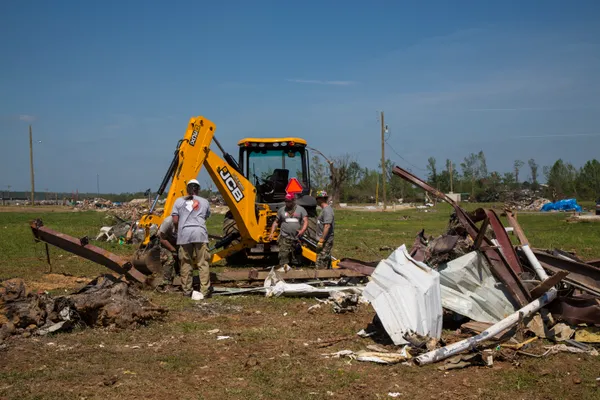
Cleanup begins at veterans’ post as storm recovery moves from assessment to action
Volunteers gathered at an American Legion facility in Jacksonville, North Carolina, to remove debris and begin initial cleanup after a tornado damaged the building, shifting local response from immediate safety checks to early recovery work.
The tornado was brief and localized, with a documented path length of about 0.15 miles and a maximum path width of about 20 yards. It occurred on March 12, 2026, and was rated EF0. Reported impacts at the American Legion property included damage to the roof and a door, consistent with lower-end tornado intensity where damage is often concentrated on vulnerable exterior features and points of entry.
What is known about the storm and the damage
Post-storm cleanup at community facilities often begins only after conditions are deemed safe. Roof damage can create secondary risks—such as loose materials, water intrusion, and compromised structural elements—while damaged doors can affect building security and limit safe access for both volunteers and staff.
In this case, the cleanup effort focused on clearing storm-related debris and addressing immediate needs that can prevent further deterioration of the property, including removing water-damaged materials and securing affected areas. Such work is typically a first step before longer-term repairs can be planned, permitted, and funded.
Why American Legion buildings matter during disasters
American Legion posts frequently serve as gathering places for veterans, families, and community groups. When these spaces are disrupted by severe weather, the loss can extend beyond physical damage, affecting scheduled meetings, community events, and services that rely on a stable, accessible venue.
Because many posts operate in older or heavily used buildings, even modest storm damage can force temporary closures or restrict use of portions of a facility until repairs are complete and inspections are performed.
Common features of volunteer-driven cleanup operations
Debris removal and sorting to separate general waste from salvageable materials.
Basic site stabilization, such as temporary coverings and securing entry points when feasible.
Safety practices that limit exposure to sharp debris, unstable materials, and contaminated water from leaks.
Volunteer cleanup efforts are often most effective when coordinated around safety guidance and clear task assignments, especially in buildings with roof damage or compromised access points.
What comes next
After the initial cleanup phase, next steps generally include detailed inspections, estimates for roof and exterior repairs, and decisions about reopening timelines. For facilities like an American Legion post, restoring safe access and protecting the building from additional weather exposure are typically priorities before returning to normal operations.