Two loose goats near University Boulevard were taken into custody, highlighting Jacksonville’s animal-control response process
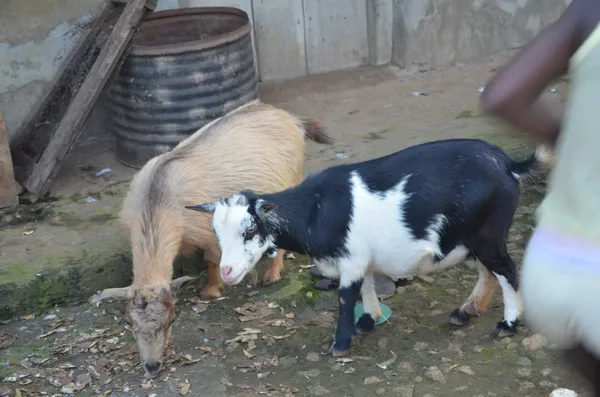
Officers secure two goats reported near University Boulevard
Jacksonville officers took two goats into custody after the animals were found loose near University Boulevard, an incident that prompted a short-lived, but safety-focused response from law enforcement and local animal-control services.
While loose dogs and cats account for the bulk of animal calls in urban areas, roaming livestock can create a different set of risks. Goats moving through traffic corridors or commercial areas can contribute to vehicle crashes, trigger sudden evasive driving, and place the animals at risk of injury. Officers typically focus first on containing the animals and preventing roadway hazards, then transferring custody to the city’s animal-care system for intake, identification efforts, and reunification with an owner when possible.
What “impounded” means in Jacksonville animal cases
In Jacksonville, animals found “at large” are generally handled through the city’s animal-related enforcement framework. Once officers or animal code personnel have secured an animal, it may be transported to a city facility for temporary holding. Intake procedures commonly include documenting where the animal was found, assessing its condition, and attempting to identify ownership through tags, brands, microchips, or other identifiers when applicable.
City guidance for lost pets emphasizes acting quickly: owners are advised to check shelter listings, visit the shelter in person when possible, and ensure microchip registration information is current. The same practical steps can apply to owners of small livestock kept within city limits or in bordering areas where animals may escape fencing and wander into nearby road networks.
How officers and animal services typically handle loose livestock
Immediate containment: Officers prioritize public safety and animal welfare by limiting movement and preventing the animals from entering traffic.
Transfer to animal care: Once secured, animals are transported for holding and documentation.
Owner identification and reunification: Staff attempt to locate owners using available identifiers and public reporting channels.
Disposition if no owner is found: If reunification does not occur within required holding periods, animals may be placed through approved rescue pathways or other outcomes permitted under local procedures.
A recurring challenge: escaped animals and rapid public reporting
Stray or escaped goats have appeared in Jacksonville-area reports in prior years, including cases in which law enforcement sought help locating an owner after a goat was picked up in a residential area. These incidents tend to follow a similar pattern: residents call in sightings, officers respond to prevent roadway dangers, and animal-care personnel take over the identification and holding process.
For residents who spot loose livestock, the safest approach is to report the location promptly rather than attempting to capture the animals without experience or equipment.
The University Boulevard case underscores how quickly an unusual animal call can move from a neighborhood curiosity to a public-safety matter—then into the standardized, documentation-heavy process designed to protect both residents and animals.