St. Johns County revises 2050 comprehensive plan after state objections tied to Florida growth restrictions
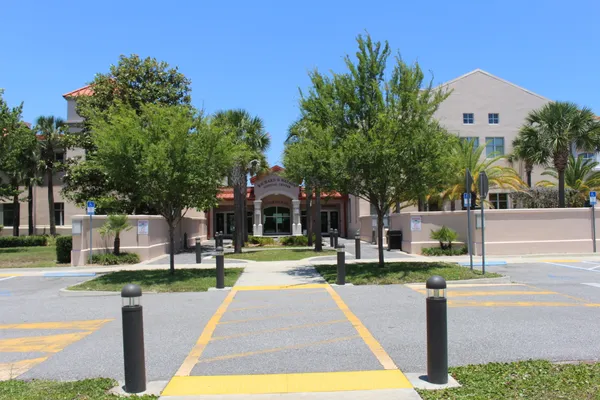
County sends revised long-range blueprint back to Tallahassee
St. Johns County commissioners voted 3-2 on Tuesday, Jan. 20, 2026, to transmit a revised version of the county’s 2050 comprehensive plan to state reviewers, loosening language that state officials previously objected to as overly restrictive toward development.
The comprehensive plan is the county’s primary long-range policy document for land use, housing, transportation, infrastructure and conservation. It shapes how future development is evaluated and how regulations are enforced over time. County leaders initiated the update over roughly two years, with community input influencing priorities that included environmental protection and workforce housing.
Why the state rejected the earlier version
The county’s earlier plan, approved in 2025 and transmitted for state review, was rejected after state officials flagged multiple provisions as inconsistent with state constraints that limit local governments’ ability to tighten growth rules. Those constraints are commonly associated with Florida’s Senate Bill 180, a 2024 law adopted under the broader theme of emergency management and post-storm recovery.
In practice, the law has been used to scrutinize whether comprehensive plan changes and land-development rules are “more restrictive or burdensome” than earlier standards. The phrase has been central to disputes across Florida because it is not precisely defined and is tied to a period in which stricter local changes can be challenged or deemed invalid.
What changed in the revised plan
County staff adjusted policies cited in the state review, reducing mandatory language to more discretionary wording. In some cases, provisions were revised from statements that the county “will” or “shall” take specific actions to language indicating such steps “may” be included. County officials said the revisions were intended to address state objections while keeping the comprehensive plan moving through the legally required review and adoption steps.
Changes also affected policy sections dealing with land conservation and workforce housing. Opponents of the revisions argued that weakening verbs and removing prohibitions could reduce the document’s practical impact when development proposals are evaluated.
Split vote reflects competing strategies
Commissioners Krista Joseph and Ann Taylor voted against transmitting the revised plan, urging a delay until the Florida Legislature acts on possible changes to SB 180. They argued the revised document does not reflect the stronger version shaped by community engagement.
Supporters of transmitting the revised plan said the county can revisit and strengthen provisions later if state law changes.
Commissioners Christian Whitehurst, Sarah Arnold and Clay Murphy formed the majority supporting transmission. Murphy said he would push to return to the earlier, stronger plan if state rules are modified.
What happens next
Transmission does not finalize the plan. State reviewers may send additional comments. After the state review phase, the revised comprehensive plan must return for further public hearings, including review by the county’s Planning and Zoning Agency and another vote by the County Commission before it can be formally adopted. County staff have estimated final adoption could occur around May.
- Vote: 3-2 to transmit revised plan to the state (Jan. 20, 2026)
- Key edits: softened policy language affecting workforce housing and land conservation
- Next steps: additional state review, then local hearings and a final adoption vote