St. Augustine Alligator Farm director details strategies keeping 131-year-old zoo competitive near Orlando’s major attractions
A legacy attraction operating in a modern tourism market
As Central Florida’s tourism economy continues to be shaped by large-scale theme parks and resort operators, the St. Augustine Alligator Farm Zoological Park is emphasizing a different model: a smaller footprint, a long operating history, and a concentration on animal care, education, and conservation-linked experiences.
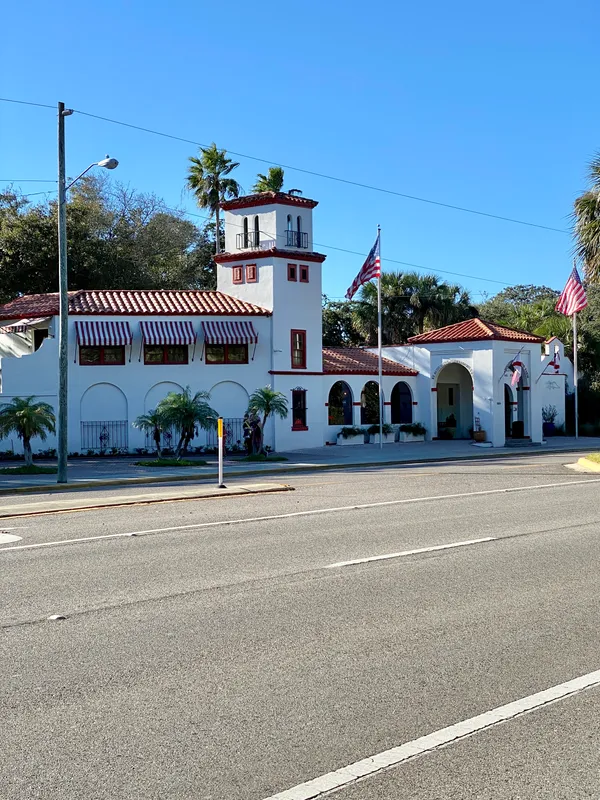
The attraction opened on May 20, 1893, making it one of Florida’s oldest continuously operating tourist sites. It relocated to its current location in the early 1920s. The property is also recognized as the St. Augustine Alligator Farm Historic District, added to the National Register of Historic Places on Sept. 10, 1992.
Leadership and positioning: expertise as a differentiator
General Director John Brueggen, who joined the Alligator Farm in 1999 after working at Walt Disney World, has described the park’s approach as building competitiveness through specialized zoological expertise and experiences that are difficult to replicate at scale. The attraction’s most prominent niche is crocodilian diversity: the park’s “Land of Crocodiles,” opened in 1993 to mark its 100-year anniversary, was designed to exhibit all crocodilian species in one location and today highlights 24 species.
That specialization also supports professional training and research activity. Brueggen has been involved in developing and co-coordinating the Crocodilian Biology and Professional Management course, a program geared toward zoo professionals working with crocodilians.
Accreditation, standards, and visitor expectations
The Alligator Farm has maintained accreditation from the Association of Zoos and Aquariums since 1989. AZA accreditation is a voluntary, multi-day inspection and review process that evaluates animal welfare and operational standards, and it is generally held by a minority of federally licensed wildlife exhibitors in the United States.
For visitors comparing options across Florida, the park’s status as an accredited zoo—and its emphasis on animal care and education—serves as part of its public-facing identity alongside entertainment features.
Investments that broaden the experience beyond exhibits
While its animal collection remains central, the park has added attractions intended to extend dwell time and diversify programming. These include Crocodile Crossing, a zip line course opened in 2011, and other physical-activity features introduced in subsequent years. The park also highlights daily wildlife shows and educational demonstrations as part of standard operations.
Recent conservation milestones tied to collection depth
The park’s crocodilian focus has also produced notable breeding outcomes. In September 2024, the Alligator Farm announced a first captive hatch in the Western Hemisphere involving a newly recognized crocodile species, underscoring the operational value of maintaining specialized habitats and experienced animal-care teams.
- Opened: May 20, 1893
- Relocated to current site: early 1920s
- AZA accreditation granted: 1989
- Historic District listing: Sept. 10, 1992
- Land of Crocodiles opened: 1993
The park’s strategy centers on heritage, accreditation-backed standards, and a crocodilian collection designed to compete through specialization rather than scale.