Red Flag Warning covers Northeast Florida and Southeast Georgia as dry, windy conditions raise wildfire risk
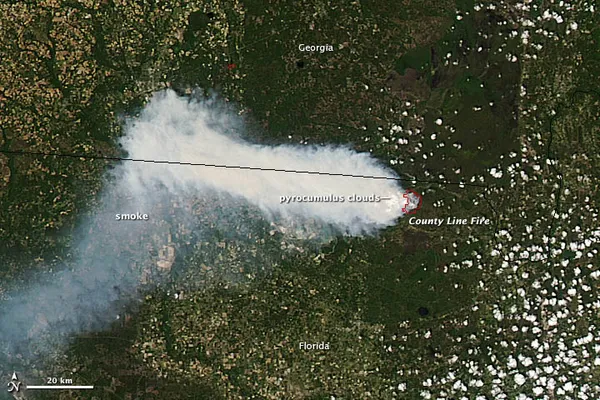
Red Flag Warning issued for parts of Northeast Florida and Southeast Georgia
A Red Flag Warning was in effect Friday, Feb. 6, 2026, for portions of Northeast and North Central Florida and a small part of inland Southeast Georgia, signaling weather conditions that can rapidly increase wildfire ignition and spread.
The warning period ran from noon to 7 p.m. Friday and covered parts of the Jacksonville region, including Baker, Nassau (coastal and inland), Duval (including coastal and several inland zones), Clay, Putnam, Flagler (coastal and inland), Bradford, Union, Marion (eastern), and St. Johns (multiple coastal and inland zones) counties in Florida. In Georgia, the warning included Southern Ware and Western Charlton, which includes the Okefenokee National Wildlife Refuge area.
What a Red Flag Warning means
A Red Flag Warning is used to flag “critical fire weather” when a combination of low humidity, gusty winds, and dry fuels can lead to extreme fire behavior. It is not, by itself, a burn ban; restrictions on outdoor burning are set by state and local authorities. However, the warning indicates that any fire that starts may spread quickly and become difficult to control.
Conditions behind the warning
During the warning window, forecast conditions included west winds of 10 to 15 mph with gusts up to 25 mph, relative humidity as low as 26%, and temperatures reaching the mid-60s. The warning also cited ongoing severe to extreme drought conditions as a factor increasing the potential for new fires and for existing fires to intensify or expand.
Who is most impacted
The warning has practical implications for residents, visitors, landowners, and outdoor workers across the affected counties. The risk is typically higher in areas with dry vegetation and in locations where wind can push flames quickly—such as open fields, pine flatwoods, and brushy corridors—along with places where a spark can occur near roadside grass or parking areas.
Risk-reduction steps during red-flag conditions
- Postpone debris burning and any non-essential outdoor burning.
- Dispose of cigarettes safely and never toss smoking materials from vehicles.
- Avoid parking vehicles on dry grass where heat from exhaust systems can ignite vegetation.
- Secure trailer chains and equipment that could drag or strike pavement and create sparks.
Fire-weather warnings are designed to highlight periods when fires can start easily and spread rapidly under a combination of low humidity, gusty winds, and dry fuels.
What happens next
Red Flag Warnings are time-limited and tied to specific weather thresholds. Once winds ease, humidity rises, or fuels become less receptive, the immediate fire-weather threat typically decreases. Residents in the affected areas should continue to monitor local fire restrictions and changing weather conditions, particularly during periods of drought.