Junkyard car fire west of Downtown Jacksonville sends thick smoke plume across Westside neighborhoods and roads
What happened and where it occurred
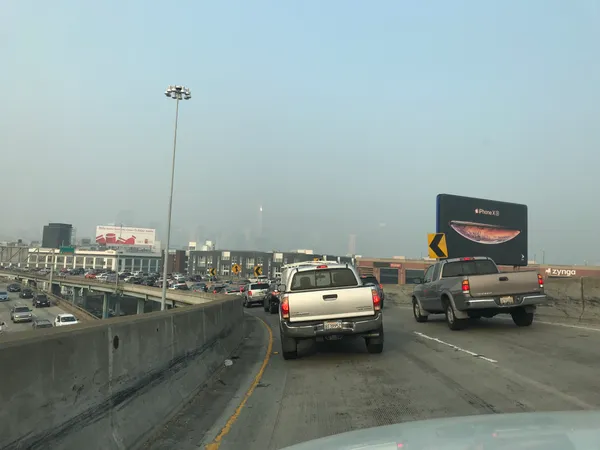
A fire involving vehicles at a junkyard on West Beaver Street triggered a large, dark smoke plume that was visible from multiple parts of Jacksonville west of the Downtown core on Monday, March 23, 2026. The incident drew a significant emergency response as fire crews converged on the Westside corridor near Beaver Street.
Early public reports described a line of fire apparatus moving toward the area and a column of smoke rising above the industrial strip. The location is consistent with a cluster of salvage and recycling businesses along West Beaver Street, an area that includes facilities handling end-of-life vehicles and vehicle parts.
Why junkyard and vehicle fires create heavy smoke
Fires involving scrapped or dismantled vehicles can produce dense smoke because of the mix of combustible materials found in and around automobiles and salvage operations. In addition to plastics and rubber, salvage yards commonly contain tires, oils, and other petroleum-based fluids that can intensify smoke conditions and complicate firefighting operations.
Jacksonville has previously seen similar Westside incidents where auto-part recycling or salvage operations produced smoke visible for miles, highlighting a recurring operational challenge for responders when fires involve vehicles, tires, and oily debris.
Operational response and immediate risks
For firefighters, the initial priorities in vehicle-salvage fires typically include isolating fuel sources, preventing spread to adjacent piles of materials and nearby structures, and using tactics suited to flammable liquids and debris piles. Depending on conditions, suppression can involve large water flows, heavy equipment to separate burning materials, and specialized agents when petroleum products are involved.
For the public, the most immediate risks tend to be reduced visibility near roadways, respiratory irritation from smoke, and localized disruptions if traffic control is needed near the incident perimeter. Smoke conditions can shift quickly with wind changes, sometimes affecting areas not immediately adjacent to the fire.
What remains unknown
As of Monday, March 23, 2026, key details had not been publicly established, including:
- the precise ignition source and the sequence of events leading to the vehicle fire,
- the number of vehicles or equipment items involved,
- whether any injuries were reported,
- the extent of damage to nearby structures or inventory, and
- whether investigators were requested to determine cause.
For incidents producing heavy smoke, residents are generally advised to avoid the immediate area, limit exposure, and follow official instructions if traffic patterns or nearby operations are affected.
This story will be updated as officials release confirmed information on containment status, any injuries, and the cause determination process.