Jacksonville uses murals, museums and film history to sustain Black heritage beyond February each year
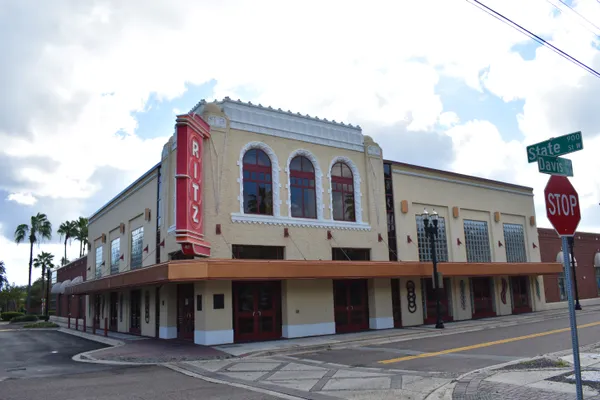
Public art and cultural institutions are expanding how Black history is seen in Jacksonville
Across Jacksonville, Black history is being interpreted and preserved through visible, year-round cultural work that extends beyond commemorations tied to February. Murals, museums and film-related heritage sites are serving as public-facing touchpoints where local stories are recorded in imagery, performance and education-oriented programming.
This approach reflects a broader shift in how history is presented: not only through textbooks and plaques, but through neighborhood-scale projects that residents encounter in daily life. In practice, Jacksonville’s efforts span commissioned murals, self-guided art mapping, and stewardship of historic venues connected to African American cultural life.
Murals document people, neighborhoods and identity in shared spaces
Murals have become one of the most accessible formats for representing Black experiences in Jacksonville. A citywide initiative known as the Black Mural Map catalogs murals created by Black artists or works depicting Black subjects, offering residents a structured way to locate and visit public artworks across multiple neighborhoods. The map is designed to be updated over time as new projects are completed.
Separately, Jacksonville’s public-art ecosystem includes recurring downtown programming that encourages participation by visual artists and performers. Regular art events bring foot traffic to galleries, street locations and small businesses, helping murals and installations remain part of the civic landscape rather than isolated attractions.
LaVilla’s legacy is curated through a theater-museum model
In the LaVilla neighborhood, the Ritz Theatre and LaVilla Museum operate as a combined performing arts venue and museum dedicated to African American history and culture in Northeast Florida. The building’s roots trace to the 1920s-era entertainment corridor, while the museum—opened in 1999—presents exhibitions that connect local figures, community life and cultural production to wider civil-rights and migration-era narratives.
By pairing performance with museum interpretation, the institution supports both preservation and contemporary cultural expression. The model also keeps LaVilla’s historical identity visible in a part of downtown reshaped by decades of redevelopment.
Jacksonville’s silent-film heritage adds a rarely told chapter
Jacksonville also holds a nationally significant film site: the Norman Studios complex in Arlington. The studio is recognized for its connection to silent-era “race films,” motion pictures made for Black audiences that frequently featured African American casts. The surviving studio complex is being preserved and opened to the public through scheduled museum hours, positioning film history as another pathway for public education.
How the city’s year-round approach is taking shape
- Murals and mapping efforts make representation visible in daily public space.
- Museum and theater programming links historical interpretation with live cultural production.
- Preserved film sites add depth to local history by connecting Jacksonville to early American cinema and Black casting traditions.
In Jacksonville, the preservation of Black history is increasingly taking place in the open: on walls, on stages and in restored historic sites where residents can return repeatedly throughout the year.
Together, these elements create a layered civic record—one that does not rely on a single month to remain visible.