Jacksonville Transportation Authority to lay off 31 employees as budget pressures collide with service commitments
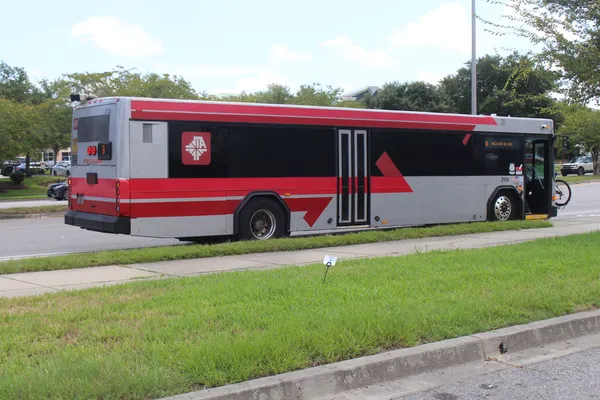
Layoffs follow months of scrutiny over finances and performance
The Jacksonville Transportation Authority (JTA) is moving forward with 31 layoffs as it confronts continuing budget pressures that have drawn increased attention from city auditors and elected officials. The reductions come amid a wider debate over how the agency balances operating costs, fare policy, and the performance of both its traditional transit network and newer mobility programs.
The layoffs arrive after a series of financial updates showed sharp swings in JTA’s reported position over the past fiscal cycle, including a deficit reported at the end of the year that contrasted with earlier surplus figures during the same period. Separately, a quarterly auditor review released this winter highlighted concerns about revenue and expenditure trends and flagged the possibility that some revenue sources could come in below budget projections.
Budget context: deficits, audits, and shifting assumptions
JTA’s finances have been under sustained review as the agency manages multiple lines of service: fixed-route buses, Connexion paratransit, the Downtown Skyway, the St. Johns River Ferry, and administrative functions. Recent audit discussions have pointed to cost drivers that include paratransit expenses and operating costs associated with the agency’s autonomous-vehicle shuttle program, known as NAVI.
Budget stress has also been discussed alongside labor-related costs, including fringe benefits tied to collective bargaining. The agency’s budgeting and reporting practices have been a recurring topic, with prior board-level debate over how ridership is categorized and communicated across different reporting frameworks.
Service decisions running in parallel to cost-cutting
The layoffs follow policy actions that reduced or eliminated certain fares in a time frame when financial headwinds were already being discussed publicly. In late 2025, JTA approved a six-month pilot that lowered fixed-route bus fares and reduced Connexion paratransit fares, and it also made NAVI rides complimentary beginning in mid-December 2025. The fare changes were positioned as a short-term pilot aimed at reducing barriers to mobility while JTA gathered additional operational and ridership data.
At the same time, community meetings held in January 2026 focused on service and pricing changes, including paratransit-related topics that have generated significant public interest. In late January, a City Council member publicly raised the prospect of withholding JTA funding if certain paratransit program changes moved forward.
What the layoffs could mean operationally
JTA has not uniformly tied layoffs to specific route reductions in publicly released summaries. However, workforce reductions of this scale typically require agencies to reassess staffing across operations, maintenance, customer service, and administrative support.
- Potential impacts may be more immediate in departments with limited staffing flexibility, such as dispatching, scheduling, and vehicle maintenance.
- Service reliability risks can rise if vacancies compound existing recruitment and retention challenges for operators and frontline roles.
- Layoffs may also affect project delivery timelines where internal oversight and compliance staffing are required.
JTA’s leadership faces a near-term test: reducing labor costs while maintaining baseline service expectations and addressing auditor-identified budget pressures.
Next markers: budget updates and governance oversight
The layoffs are likely to keep JTA’s financial management in focus as additional quarterly financial summaries and board materials are released. With fare pilots, paratransit policy debates, and ongoing questions about program costs unfolding at the same time, further decisions on staffing and service levels will be closely watched in coming months.