Jacksonville to kick off ‘State of the Food’ plan, outlining timeline and community engagement steps
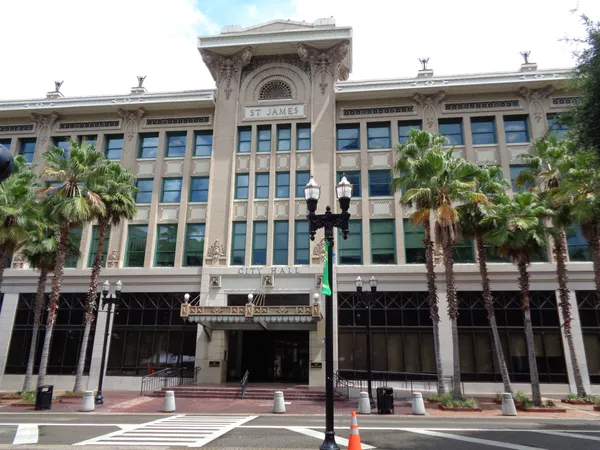
A citywide food-system planning effort begins Jan. 20
The City of Jacksonville is scheduled to launch its “State of the Food” planning process on Tuesday, Jan. 20, 2026, with a public kick-off event from 4 to 5 p.m. at the Duval County UF/IFAS Extension Office, 1010 N. McDuff Ave. The event is set to introduce a comprehensive city Food Plan intended to strengthen Jacksonville’s local food system as the city grows.
City materials describing the initiative frame the plan as a broad look at how food moves through Jacksonville — from production and processing to distribution, access, consumption and recovery. The kick-off is expected to provide an overview of early findings and emerging themes, as well as a roadmap for the months-long work ahead.
What the plan is designed to cover
The Food Plan is being developed as a guiding framework to align city policies, programs and investments tied to food. The scope described for the planning effort includes multiple points along the food system, including how residents obtain food and how the city reduces and manages food waste.
Jacksonville’s initiative comes as local officials and community partners have faced heightened attention on food access in recent months. In late 2025, city leaders organized and promoted coordinated hunger-relief efforts during uncertainty around SNAP benefits, and the city publicized local data on household food assistance.
Process and timeline: The city has said the Jan. 20 meeting will outline the planning process and expected timeline.
Community engagement: Organizers have indicated future opportunities will include workgroup sessions and public pop-up meetings.
Early findings: The kick-off agenda is expected to highlight early themes identified through prior planning and data work.
How residents can participate
Organizers describe the Food Plan as a citywide process involving food-system stakeholders and residents, with opportunities for community input built into upcoming workgroups and pop-up events. The Jan. 20 meeting is positioned as the starting point for that engagement.
The planning effort is intended to shape how food is grown, distributed, accessed, consumed and recovered in Jacksonville.
Why the timeline matters now
Jacksonville officials have highlighted food assistance needs through local dashboards and coalition building tied to hunger relief. The Food Plan effort, as described by the city, is broader than emergency response: it is intended to create a longer-term framework that can connect day-to-day food access, local production capacity, and waste-reduction strategies with policy and investment decisions over time.
The city has not released a final plan document as of the kick-off date, and the Jan. 20 event is expected to focus on process, preliminary findings and upcoming engagement steps.