Jacksonville Sheriff backs Trump mass deportations as Florida law enforcement leaders disagree over local policing roles
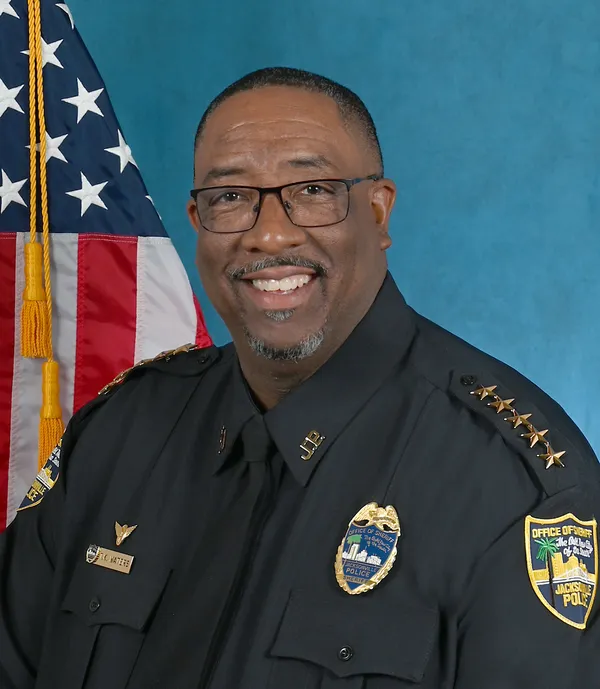
Jacksonville’s sheriff aligns with federal deportation push
Jacksonville Sheriff T.K. Waters has publicly positioned the Jacksonville Sheriff’s Office (JSO) as supportive of President Donald Trump’s mass deportation agenda, as Florida expands partnerships that allow local agencies to assist in immigration enforcement. The stance places Jacksonville within a broader statewide effort in which sheriffs and police chiefs are being asked to take on a larger role traditionally led by federal authorities.
Waters has tied his office’s posture to existing cooperation mechanisms used nationwide, including agreements that allow trained local officers to perform certain immigration-enforcement functions in coordination with federal agencies. In Jacksonville, the sheriff has also emphasized a distinction between lawful immigrants and people without legal status, while defending local participation in federally directed enforcement.
Florida’s infrastructure and funding incentives accelerate cooperation
Florida has moved aggressively to scale up operations that combine federal, state and local resources. State leaders have promoted enforcement “blueprints” and joint sweeps designed to increase arrests and speed transfers into the federal deportation pipeline. In 2025, state and federal officials announced large enforcement tallies, including a one-week sweep resulting in more than 1,100 arrests and a separate announcement of more than 6,000 arrests over a multi-month period.
Those efforts have been paired with an expansion of detention capacity. Florida officials have backed new or repurposed facilities intended to hold immigrants awaiting removal, including a high-profile Everglades site nicknamed “Alligator Alcatraz,” and plans for additional detention space at existing state facilities. Federal reimbursement has been presented as a key incentive, with state and local agencies seeking compensation for immigration-related costs and equipment.
Disagreements among local leaders shape a statewide split
The sheriff’s position comes amid visible divisions among Florida’s law enforcement and local government leaders over whether immigration enforcement should be a priority for municipal police departments, and how deeply local agencies should integrate with federal operations. Some officials have framed cooperation as essential to public safety and deterrence, while others have warned it can undermine community trust, divert resources from local crime reduction, and discourage witnesses and victims from contacting police.
In Jacksonville, the debate has intersected with political conflict between independently elected offices. The sheriff does not report to the city’s mayor, and public disagreements have highlighted competing views about the practical and symbolic consequences of mass deportation policies, including concerns about broad enforcement approaches and the language used to describe them.
What changes for residents and local policing
More local-federal coordination can increase the likelihood that jail bookings trigger immigration screening and potential detainers.
Expanded detention capacity can shorten the time between local custody and transfer into federal removal proceedings.
Community trust and reporting of crimes can be affected when residents perceive routine policing to be linked to immigration enforcement.
Florida’s evolving model centers on using local arrests and jail processing as a gateway into federal deportation proceedings, while officials continue debating the appropriate boundaries for local policing.
With Florida continuing to build enforcement capacity and formalize partnerships, Jacksonville’s approach under Sheriff Waters is likely to remain a focal point in how the state balances public-safety goals, local autonomy, and the operational demands of a nationwide deportation campaign.