Jacksonville, North Carolina repeals food-truck restrictions, but pending vendor lawsuit keeps broader legal fight alive
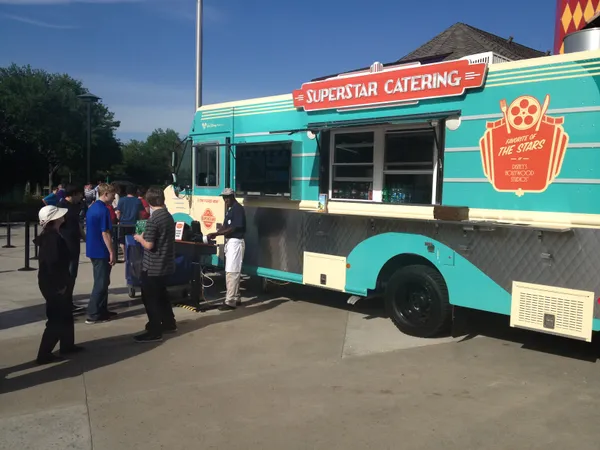
Ordinance repeal changes the rulebook, not the courtroom timeline
Jacksonville, North Carolina’s City Council has voted to repeal a local ordinance that had prevented food-truck operations in parts of the city, a move that immediately changes the regulatory landscape for mobile vendors and property owners who host them. The repeal, however, does not automatically resolve ongoing legal claims brought by food-truck operators and at least one property owner who argue earlier restrictions violated constitutional protections under North Carolina law.
That legal dispute has already produced a key appellate ruling: the North Carolina Court of Appeals reinstated the case after a trial court dismissal, sending the matter back for further proceedings in Onslow County Superior Court. The appellate decision allowed multiple claims to move forward, including challenges framed around free-speech protections and state constitutional provisions often cited in livelihood-related disputes.
What the lawsuit alleges, and why it continues after repeal
The lawsuit challenges how Jacksonville’s development rules treated food trucks compared with other food businesses. Among the contested provisions were limits tied to where trucks could operate, including distance-based restrictions relative to other establishments, and rules governing on-truck signage. Plaintiffs have argued that the framework effectively prevented lawful operation in much of the city and imposed requirements not applied to other vendors selling food and beverages.
In May 2025, a Superior Court judge issued a preliminary injunction focused on signage, ordering that a plaintiff be allowed to use signs comparable to those permitted for other businesses while the case proceeds. That injunction addressed only part of the dispute, leaving broader questions over the city’s past restrictions and any resulting damages or other remedies unresolved.
Even when a local government changes or repeals a challenged rule, claims can persist if plaintiffs seek relief for alleged past harms, costs incurred, or other remedies tied to the period when restrictions were enforced or chilled business operations.
Key dates and procedural posture
2024: The North Carolina Court of Appeals reversed a trial court dismissal and returned the food-truck case to the trial court for further litigation.
May 13, 2025: A preliminary injunction was entered addressing food-truck sign restrictions.
2025–2026: Jacksonville City Council action to repeal the ordinance changes current policy, while the lawsuit continues through trial-court proceedings unless settled or otherwise resolved.
Repeal of a rule can end prospective enforcement, but it does not necessarily moot claims seeking remedies for past restrictions.
What comes next
The next phase will unfold in Onslow County Superior Court, where the parties can pursue discovery, argue the legal standards that apply to each claim, and potentially seek dispositive rulings before trial. The court will also evaluate whether any remaining challenged provisions have been fully eliminated and what remedies—if any—remain available for the period before the repeal.
For food-truck operators, the council’s repeal may reduce immediate barriers to opening or returning to Jacksonville locations, but the pending litigation will determine whether the city faces liability tied to the earlier regulatory regime.