Jacksonville Inspector General warns proposed Eastside CBA nonprofit structure could weaken oversight of public grants
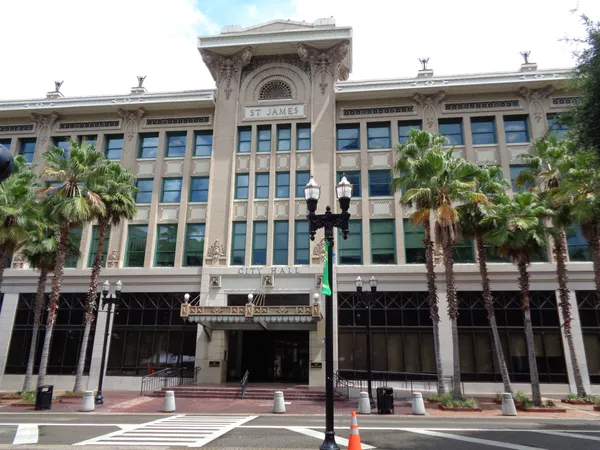
Inspector General questions accountability in proposed framework for Eastside Community Benefits Agreement funds
Jacksonville’s Inspector General is urging City Council to reconsider a bill that would set up a new structure to distribute Community Benefits Agreement (CBA) dollars targeted for the Eastside, warning that the current approach could reduce the city’s ability to track how money is ultimately spent.
The CBA was negotiated alongside the Jaguars’ stadium renovation agreement and includes a city commitment of $40 million for Eastside initiatives over seven years. The funding is restricted to programs, projects and initiatives tied to affordable and workforce housing, economic development and homelessness. City leaders have been working to determine how those dollars should be awarded and monitored before grants begin moving to recipients.
Key dispute: nonprofit-led grants versus a city-run board
During a City Council workshop attended by nine council members on Tuesday, Jan. 27, 2026, Inspector General Matt Lascell criticized the bill’s plan to route grantmaking through a nonprofit entity, describing the model as vulnerable to fraud, waste and abuse. Lascell’s central concern was that, while the city could oversee the nonprofit’s performance, the city’s direct oversight over downstream grant recipients would be “greatly diminished,” potentially limiting the city’s visibility into sub-awards and spending once funds leave city hands.
At the same meeting, Councilmember Ron Salem said a city-run board staffed with city employees would provide stronger monitoring of grant awards and compliance, arguing that city staff could track whether recipients deliver what they promised when applying for funding.
Councilmember Jimmy Peluso, whose district includes the Eastside, countered that residents have expressed support for an independent nonprofit structure, citing concerns about whether city government would follow through on commitments and emphasizing the value of a durable entity designed around neighborhood needs.
How the proposed nonprofit structure has been described in recent discussions
The nonprofit model under consideration has been discussed as a grantmaking entity that would receive city funding for seven years and would also be positioned to receive Jaguars funding over a longer period and pursue private fundraising. In committee-level deliberations in 2025, the approach was framed as similar to Jacksonville’s long-standing practice of funding certain public-purpose programs through contracted nonprofits operating under city oversight, while maintaining operational independence for grant decisions.
City funds: $40 million over seven years for Eastside-eligible uses.
Eligible purposes: affordable and workforce housing, economic development, homelessness-related initiatives.
Governance question: whether grants should be administered by a new nonprofit board or by a city-run structure staffed by city employees.
Next steps: neighborhood hearing and a substitute proposal
The bill is scheduled for a neighborhood hearing next week as council members continue to weigh competing governance models. Salem has said he plans to introduce a substitute bill that would replace the nonprofit framework with a city-run approach. Separately, council leadership has indicated an interest in approving a final version on a timetable that would allow a board to be organized by March 1, 2026.
The outcome will determine not only how Eastside projects are selected, but also how the city documents, audits and enforces performance expectations once awards are made.