Jacksonville Firefighters Contain Blaze at McDonald’s Restaurant as Investigators Work to Determine Cause
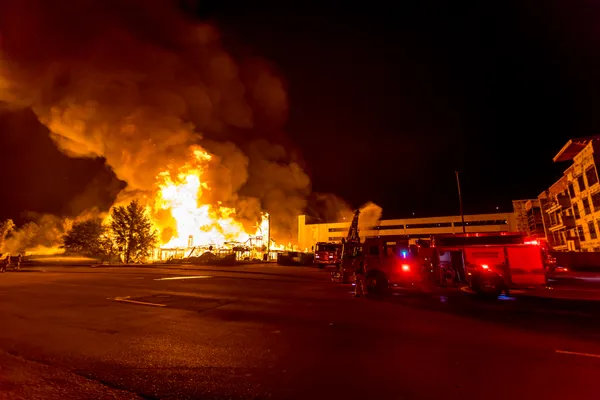
Fire crews respond to restaurant emergency
Jacksonville firefighters battled a blaze at a McDonald’s restaurant, bringing the fire under control as investigators began working to determine what sparked it. Officials have not released a final cause, nor have they announced an estimated dollar amount for damage.
The incident drew an emergency response that included fire suppression resources and coordination to secure the scene. In restaurant fires, responders typically prioritize confirming that all occupants are out, controlling smoke conditions, and preventing fire spread into concealed spaces such as roof voids, wall cavities, and utility chases—areas that can accelerate extension in commercial kitchens and dining areas.
What is known so far
A fire was reported at a McDonald’s location in Jacksonville, prompting a firefighter response and active suppression operations.
The situation was stabilized on scene, and investigators began examining origin and cause after flames were controlled.
Authorities have not publicly confirmed the ignition source or whether the fire originated in food-preparation equipment, electrical systems, or building components.
How investigators typically determine cause
After suppression, fire investigators generally document burn patterns, identify the area of origin, and review building systems that can influence fire development. For commercial restaurants, the evaluation often includes cooking appliances, grease accumulation and ventilation hoods, electrical panels, HVAC components, and any recent maintenance activity. When available, investigators may also review alarm and sprinkler system records, as well as surveillance footage, to establish a timeline of events.
Determining cause can require multiple steps, including scene examination, equipment evaluation, and follow-up interviews, especially when heavy heat and water impact obscure early indicators.
Context: Jacksonville’s high-volume emergency response system
Jacksonville’s fire-rescue system is structured to handle a large number of emergency calls annually and to deploy specialized resources—such as hazardous materials teams or technical rescue units—when conditions require them. For commercial fires, dispatch decisions commonly scale with the initial information from callers and the first arriving units’ size-up, including visible smoke conditions, building occupancy, and risk of extension to neighboring properties.
What to watch next
Key pending details include the official determination of origin and cause, confirmation of any injuries, and clarity on whether fire protection systems (such as sprinklers) activated and how they performed. Additional updates may also address the extent of structural damage and when the restaurant could reopen, which typically depends on repairs, inspections, and any required remediation after smoke and heat exposure.
This story will be updated as officials release verified findings from the investigation.