Jacksonville Firefighters Battle Persistent Recycling-Plant Fire on the Westside, Raising Air Quality and Runoff Concerns
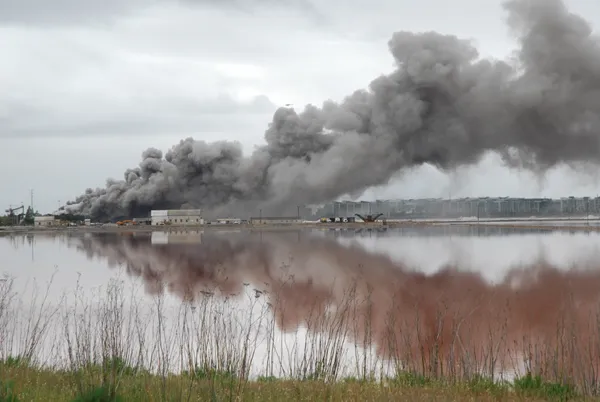
Fire crews use heavy equipment and water to control stubborn debris blaze
Jacksonville fire crews spent extended hours spraying water and working heavy equipment to suppress a fire involving recyclable debris at a Westside-area recycling operation, as responders focused on limiting smoke impacts and preventing fire spread across the property.
Officials described the incident as difficult to access and challenging to encircle with standard apparatus positioning, a factor that can slow containment in large outdoor debris fires. Firefighters continued to apply water to active areas while equipment was used to move and separate burning material so crews could reach heat deep within the piles.
Why recycling and debris fires can last longer than typical structure fires
Fires involving large piles of recyclables and similar materials can behave differently from structure fires because heat can be retained below the surface, allowing combustion to persist even after flames appear reduced. When tires or tire-derived material are involved, responders often face higher heat, dense black smoke and the potential for prolonged smoldering that requires repeated cooling and overhaul operations.
In Jacksonville-area incidents involving rubber and mixed debris, crews have used a combination of water streams, foam application and material-handling tactics to isolate and cool burning sections. Such approaches are aimed at reducing oxygen exposure while steadily lowering internal pile temperatures.
Public safety: smoke, air monitoring and operational perimeter
Large debris fires can generate smoke conditions that prompt community concern, especially when wind shifts carry emissions over nearby neighborhoods and major corridors. In similar Jacksonville recycling-facility incidents, fire crews have monitored for potential hazardous fumes while maintaining an operational perimeter around the property to support apparatus access and keep bystanders away from areas with heavy equipment and unstable material piles.
No immediate community-wide evacuations were announced in comparable incidents, though responders have cautioned that conditions can change based on wind, the materials involved and the size of the burning footprint.
Environmental considerations: water use and containment
Extended suppression efforts at recycling and debris sites can require significant volumes of water over many hours. A key operational concern in such incidents is controlling runoff and keeping water used in firefighting operations from migrating beyond the site, particularly when debris includes rubber, oils or other contaminants that can be carried in stormwater.
In recent Jacksonville debris-fire responses, crews have used on-site containment techniques—such as building temporary berms or dikes—while moving hot material into controlled areas where it can be cooled more effectively.
What happens next: investigation and site recovery
Once flames are knocked down, crews typically remain on scene to address hotspots, which can persist beneath the surface of debris piles. A cause determination may require coordination among fire investigators and other agencies depending on the circumstances and materials involved. Cleanup and restoration efforts can continue after the fire is out, including debris removal, site stabilization and any required environmental mitigation.
- Firefighters used sustained water application and equipment-assisted overhaul to reach deep-seated heat.
- Smoke conditions and air monitoring can be central concerns in recycling and rubber-related fires.
- Runoff containment is a recurring priority during prolonged suppression operations.
In large debris fires, visible flames can subside while heat remains trapped underneath, requiring hours of cooling and continued monitoring.