Jacksonville Family Escapes Overnight Durkee Drive House Fire as Flames Destroy Home of 18 Years
Family escapes with minutes to spare
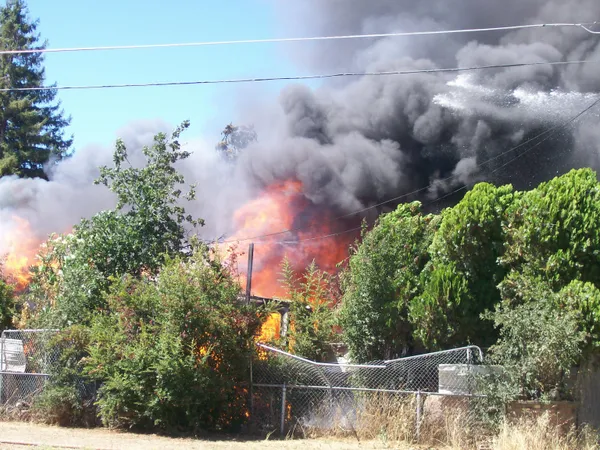
A Jacksonville family escaped an overnight house fire that heavily damaged the interior of their Durkee Drive home, ending an 18-year chapter in the residence. Billy and Heather McBeath and their 9-year-old daughter, Bayleigh, got out safely but fled into the cold wearing only pajamas after smoke conditions worsened quickly.
The family described an early indication of trouble when the home had no electricity and they began to smell smoke. Within minutes, they said, smoke intensified to the point that remaining inside was no longer possible. The exterior structure was still standing afterward, but the interior sustained extensive damage, with the heaviest impact reported in the child’s bedroom.
Extent of damage and immediate needs
After the fire, the family said most belongings throughout the home were damaged or destroyed, describing losses that extended beyond individual rooms into hallways and multiple living areas. The event displaced the family, which has been staying with friends while beginning the process of recovery and longer-term housing decisions.
The family also described prior steps taken to secure the household’s finances and housing stability, including paying off the home and transferring the deed as a gift months earlier—an effort that underscores how quickly a single incident can erase long-term planning and accumulated possessions.
Cold-weather fire risks and prevention steps
Residential fires tend to rise during cold spells, when households rely more heavily on heating devices and alternative sources of warmth. In Northeast Florida, public safety messaging during freezes has emphasized common risk points such as portable space heaters placed too close to combustibles, improper electrical use, and unattended heat sources.
- Keep portable space heaters at least three feet from curtains, bedding, and upholstered furniture, and turn them off before sleeping or leaving a room.
- Plug high-draw heating devices directly into wall outlets rather than power strips or extension cords.
- Ensure smoke alarms are installed and functioning on every level of the home and near sleeping areas; test monthly and replace batteries when needed.
- Create and practice a household fire-escape plan with two exit routes from bedrooms when possible and an outdoor meeting point.
Local fire activity highlights broader exposure
In recent years, Jacksonville has logged hundreds of residential fire responses annually, with incident dashboards and local reporting highlighting both seasonal spikes and neighborhood concentration. Fire officials and emergency preparedness leaders have repeatedly stressed that early detection and rapid evacuation are decisive factors in preventing injuries when conditions change fast.
In fast-moving residential fires, smoke conditions can become life-threatening quickly, making early exit and clear escape planning central to survival.
As the McBeath family begins rebuilding, the incident adds to a familiar pattern for local responders: sudden overnight emergencies that spare lives but leave families facing immediate displacement, replacement of essentials, and difficult decisions about next steps.