Jacksonville expands immunization access after two measles cases, adding a pop-up clinic and weekday services
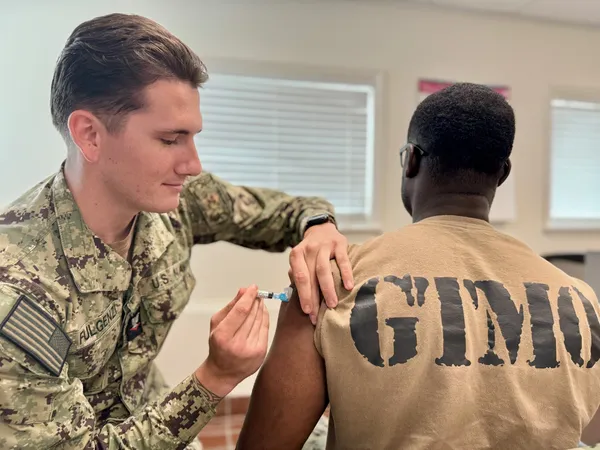
Two local cases prompt immediate vaccination response
Jacksonville officials expanded access to routine immunizations after two measles cases were confirmed in the Jacksonville area during the week of Jan. 19–25, 2026. The response includes a one-day pop-up clinic and continued weekday vaccination services through the Florida Department of Health in Duval County.
Measles is one of the most contagious infectious diseases. It spreads through the air when an infected person coughs or sneezes and can remain in the air for up to two hours after the person leaves. Among people who are not immune, measles can infect the vast majority of close contacts, making rapid identification of immunity gaps and vaccination access central to outbreak prevention.
Pop-up clinic scheduled at Regency Library on Feb. 1
As part of the expanded access plan, a pop-up immunization clinic is scheduled for Sunday, Feb. 1, 2026, from 9 a.m. to noon at the Regency Library (9300 Regency Square Blvd., Jacksonville). The clinic is set to offer measles-mumps-rubella (MMR) vaccine, influenza vaccine, and hepatitis A vaccine.
Public health practice during measles responses typically emphasizes vaccination for people who are not already immune, along with follow-up on potential exposures. MMR vaccine is used to prevent measles, and two doses are highly effective at preventing infection.
Weekday vaccination available at two Duval County sites
Beyond the pop-up event, immunizations are available Monday through Friday, 8 a.m. to 5 p.m., at two Duval County health department locations:
- 515 W. 6th St., Jacksonville, FL 32206
- 3225 University Blvd. S., Suite 200, Jacksonville, FL 32216
Residents seeking vaccinations can walk in or schedule an appointment by phone.
Why officials emphasize MMR coverage during measles activity
Measles prevention relies heavily on population immunity, because the virus spreads efficiently in indoor settings and among groups with low vaccination coverage. Nationally, measles activity has been elevated entering 2026, with hundreds of confirmed cases reported across multiple states, including Florida. That broader context increases the importance of quickly improving access to routine vaccination services when local cases are identified.
Federal guidance for measles prevention includes ensuring children receive the standard two-dose MMR series and confirming immunity among adults who lack evidence of protection. Public health messaging during measles responses also typically encourages people who suspect exposure or symptoms to contact a healthcare provider before arriving at a clinic, to limit potential transmission in waiting rooms and other public indoor spaces.
Measles spreads through the air and can remain in an airspace for up to two hours, allowing exposures even after an infected person has left.
Local health officials say the goal of the expanded clinic access is straightforward: reduce barriers to vaccination and prevent additional measles transmission in the community.