Jacksonville businesses face rising fuel costs as pump prices climb, squeezing deliveries, service calls, and budgets
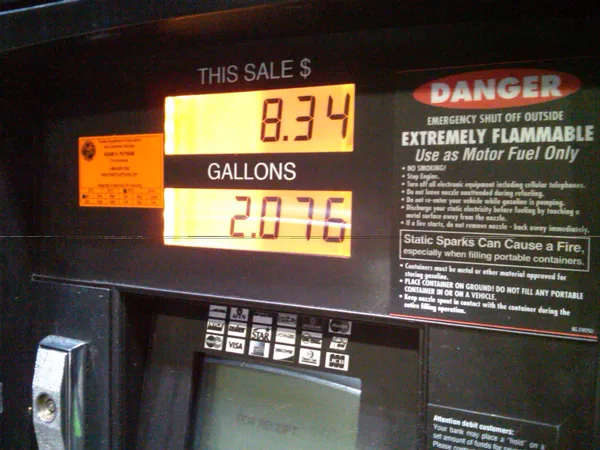
Fuel-price volatility returns to Northeast Florida
Jacksonville-area businesses are reporting renewed pressure from rising gasoline and diesel prices as higher transportation costs ripple through delivery routes, mobile service calls, and day-to-day commuting for employees. The latest increase follows a broader national move upward in early March, when the U.S. average for regular gasoline rose sharply over a single week.
While prices vary by neighborhood and retailer, the recent trend has been consistent: more expensive fill-ups and less predictability for companies that build fuel into bids, service fees, or delivery minimums. For small operators with limited ability to absorb cost swings, fuel can function like a near-immediate input cost, changing faster than many businesses can update pricing.
What is driving the increase
Fuel prices are shaped by crude-oil markets, refining capacity, distribution logistics, and seasonal demand patterns that typically firm up heading into spring. In March, energy markets also faced heightened uncertainty tied to geopolitical disruption affecting global oil supply routes. Even when Jacksonville stations are not the highest in Florida, the pace of week-to-week movement can be enough to disrupt planning for businesses that run fleets, perform in-home work, or make frequent supplier runs.
Businesses that rely on daily driving often describe the same constraint: fuel costs can rise quickly, but customer pricing and contracts usually change slowly.
How higher pump prices translate into business costs
For many local firms, the most direct impact is on variable operating expenses. A multi-vehicle operation may see weekly fuel spending rise immediately, while independent contractors and one-vehicle businesses often feel the effects in daily cash flow. Companies that deliver goods face a second-order effect when suppliers add transportation surcharges or adjust delivered pricing.
Delivery and hauling: More expensive miles can force route changes, higher order minimums, or additional fees to maintain margins.
Home services and repairs: Technicians driving across Duval and surrounding counties may need to rebalance scheduling to reduce deadhead miles.
Construction and landscaping: Pickup-truck fuel use compounds with fuel-sensitive materials and equipment transport.
Employee commuting: Rising costs can affect staffing availability, punctuality, and pressure for wage adjustments, particularly in lower-margin sectors.
What businesses can and cannot control
Businesses have limited influence over market prices, but some cost exposure can be managed through operational changes. Common responses include consolidating stops, expanding service areas only when jobs can be batched, tightening idling policies, and revisiting vehicle maintenance schedules that affect fuel economy. Larger fleets may explore fuel cards, negotiated pricing programs, or hedging strategies, but many small businesses operate at a scale where the practical tools are route planning and pricing discipline.
With fuel costs moving quickly, the near-term outlook for Jacksonville businesses hinges less on a single day’s price and more on whether the market stabilizes enough for companies to forecast costs and set customer rates with confidence.