Jacksonville blight initiatives manager seeks increased funding to curb illegal dumping and expand enforcement resources
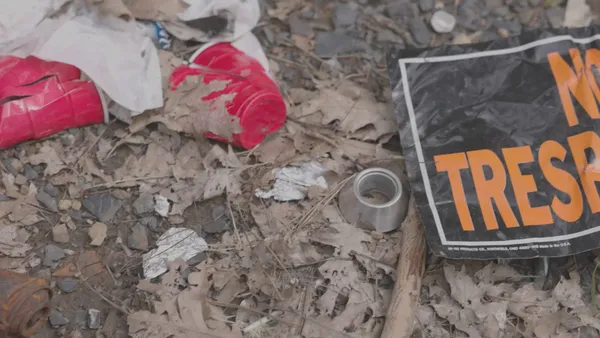
Funding request targets chronic dumping sites and faster response
Jacksonville’s blight initiatives manager is urging city leaders to increase funding aimed at reducing illegal dumping, as neighborhood complaints and recurring “hot spots” continue to strain cleanup capacity across the city. The push centers on expanding the city’s ability to identify dumpers, remove debris more quickly and pursue enforcement actions that can deter repeat offenses.
Illegal dumping complaints frequently involve household trash, construction debris, tires and bulky items left along roadways, in vacant lots and near drainage areas. City staff involved in blight work have described these locations as repeat problem areas that can re-accumulate quickly after cleanup, creating ongoing costs tied to labor, hauling and disposal.
Citywide anti-litter campaign adds technology and coordinated enforcement
The renewed funding discussion follows the city’s rollout of a broader litter-and-blight campaign that combines public outreach with stepped-up monitoring and enforcement tools. City officials have outlined plans to expand the use of surveillance cameras at known dumping locations and to evaluate additional technology, including potential drone use, to better document violations and direct crews to the worst sites.
The city’s approach also includes formal coordination among departments responsible for code enforcement, public works and solid waste functions, with the goal of improving response times and building cases that can support penalties.
City officials have emphasized that the strategy is intended to combine education, prevention and enforcement, while encouraging residents to report dumping and litter hot spots through city service channels.
Budget pressures intersect with solid-waste costs
The call for additional anti-dumping resources comes as Jacksonville continues to debate broader solid-waste financing and contracting issues. City policymakers have been weighing how to manage rising service costs and long-term budget impacts, including proposals that would adjust how garbage collection is funded and what residents pay versus what the city subsidizes through other revenue sources.
While illegal dumping enforcement is distinct from curbside collection, the issues overlap operationally: limited staffing, rising hauling costs and the challenge of preventing waste from being abandoned outside legal disposal channels. City officials have argued that improving accountability for dumping can reduce repeat cleanups and help keep public spaces from becoming persistent blight corridors.
What expanded funding could support
- More monitoring at chronic dumping sites, including expanded camera coverage and investigative follow-up
- Additional cleanup capacity for bulky-item and debris removal in hard-hit corridors
- Stronger case-building for enforcement actions, including coordination with prosecutors when warranted
- More neighborhood-level engagement tied to scheduled cleanups and reporting tools
City leaders have not finalized the funding level or timeline, but the request places illegal dumping enforcement squarely within Jacksonville’s broader effort to reduce blight, improve neighborhood conditions and limit recurring cleanup costs.