Jacksonville-area gas prices climb in early March as Iran conflict lifts crude and diesel costs
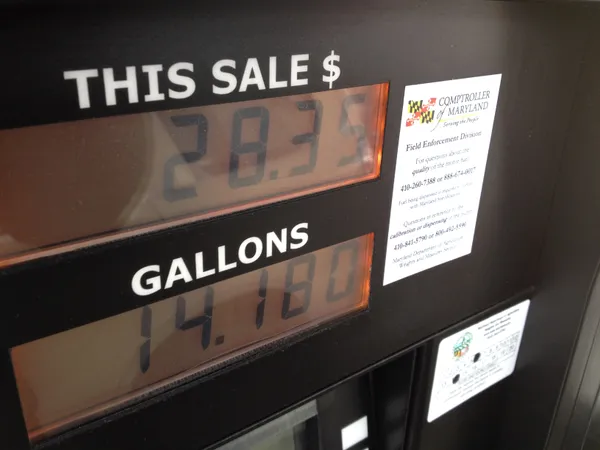
Jacksonville drivers face higher prices at the pump as oil markets react to Middle East disruptions
Retail gasoline prices across the Jacksonville metro area rose sharply in early March, tracking a broader statewide and national increase tied to higher crude oil costs and tighter supply expectations linked to the Iran conflict.
By March 9, average regular unleaded prices were reported at about $3.49 per gallon in Duval County, with nearby counties in the low-$3.50 range. Local reports described a rapid, multi-day climb at many stations, with prices in some neighborhoods moving from the high-$2 range into the mid-$3 range within about a week.
Why a distant conflict affects Jacksonville pump prices
Jacksonville’s fuel market is influenced by global crude prices, wholesale gasoline and diesel trading, refining capacity, and regional distribution costs. In early March, crude oil benchmarks moved above $100 per barrel in volatile trading as the conflict intensified and markets priced in heightened risk to shipping and production in and around the Strait of Hormuz—one of the world’s most critical energy transit corridors.
When crude rises, wholesale gasoline and diesel typically follow, and retail prices often adjust quickly—sometimes within days—depending on how fast stations replace inventory and how local competition plays out. AAA has noted that changes in crude can translate into noticeable swings at the pump over short periods, particularly during abrupt market moves.
Diesel increases add pressure across the economy
Diesel prices have also been rising, which matters for Jacksonville’s consumers even beyond personal driving costs. Diesel fuels much of the freight network that supplies Northeast Florida’s grocery, retail, and construction sectors. Federal transportation data showed diesel prices climbing in February, and early-March market conditions pushed national diesel measures higher again, reflecting the same crude-driven pressures affecting gasoline.
Seasonal demand and Florida pricing patterns
The spring transition typically brings stronger gasoline demand as travel increases and fuel blends change ahead of summer specifications. In Florida, analysts also point to cyclical pricing behavior that can amplify short-term moves—especially when international events simultaneously raise crude costs and market uncertainty.
What to watch next
- Crude oil volatility tied to shipping security and any disruption risk in the Persian Gulf.
- Wholesale gasoline and diesel spreads as refiners and distributors reprice inventories.
- Florida’s seasonal demand curve as spring travel approaches.
- Local station competition, which can widen neighborhood-to-neighborhood differences inside the Jacksonville area.
Price changes at the pump often lag wholesale moves by days, but sharp global shifts can compress that timeline.
For Jacksonville motorists, the near-term outlook hinges on whether crude prices stabilize or continue rising. If volatility persists, retail prices may remain elevated and subject to rapid adjustments across Duval and surrounding counties.