Jacksonville approves $5 million low-interest loan for Vestcor’s 240-unit mixed-income apartments on Beach Boulevard
City-backed financing targets new apartments near St. Johns Bluff Road
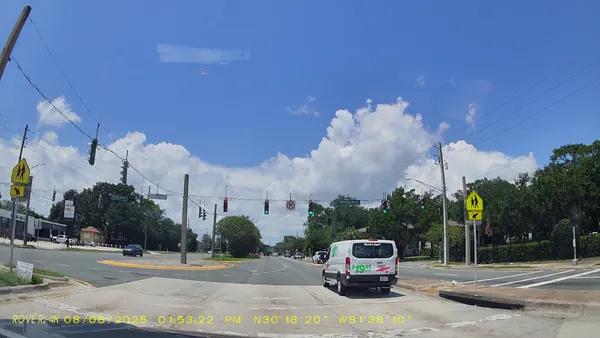
Jacksonville has approved a $5 million, low-interest development loan to support construction of a 240-unit mixed-income apartment community planned along Beach Boulevard, a major east-west corridor on the Southside. The project site comprises about 11 acres of vacant land at 11000 Beach Blvd., near St. Johns Bluff Road.
The financing is structured as gap funding intended to help move the development from planning into construction. The loan is tied to a city economic development agreement with Campbell Cove, Ltd., with Vestcor Companies serving as the developer and guarantor.
Project scale, cost and basic terms
Project documents describe an overall private investment of about $56.5 million, with the city loan capped at $5 million. The loan term is set at 20 years with a stated interest rate of 1%, positioning it as a long-term, below-market subsidy rather than conventional commercial debt.
City action on the loan comes as Jacksonville continues to deploy revolving-loan and incentive tools alongside other public housing strategies, aiming to expand the supply of below-market and workforce-priced rentals while maintaining financial controls such as restrictive covenants and performance conditions in development agreements.
Location: 11000 Beach Blvd., near St. Johns Bluff Road
Size: 240 total units
Site area: about 11 acres
City participation: up to $5 million development loan
Financing terms: 1% interest over 20 years (as described in project materials)
Estimated capital investment: about $56.5 million
What “mixed-income” can mean in practice
While the overall project is described as mixed-income, the city’s financing approach typically relies on enforceable affordability commitments rather than voluntary pricing. In such structures, affordability is generally maintained through recorded restrictions that can govern eligibility and rent levels for designated units over a defined compliance period.
The city has not framed the Beach Boulevard project as a standalone solution to housing cost pressures. Instead, it is presented as one of multiple deals designed to add inventory in areas with existing roadway access, employment nodes, and established commercial services—factors that can affect both construction feasibility and long-term operating stability.
The approved loan is designed to lower financing costs and help close the funding gap for a large-scale rental community that includes income-restricted units.
Next steps and oversight
With city approval in place, project execution typically proceeds through closing conditions, permitting, and construction milestones spelled out in the development agreement and related loan documents. Those terms commonly include reporting requirements, compliance monitoring for any restricted units, and remedies if performance benchmarks are not met.
Timing for groundbreaking and first occupancy will depend on final financing, permitting, and contractor scheduling. The project will add new multifamily supply to Beach Boulevard, a corridor where residential growth and transportation constraints frequently intersect in land-use and infrastructure planning discussions.