Jacksonville adds affordable housing units, but new findings show many renters still face heavy rent burdens
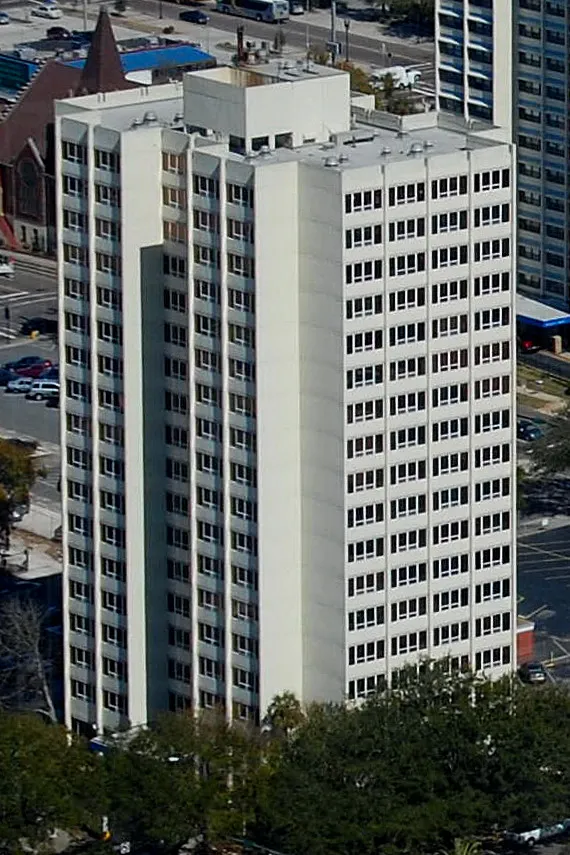
Affordable supply is expanding, while renter affordability remains strained
Jacksonville has increased the pipeline of below-market rental housing in recent years, but new measurements of housing costs show that a large share of renters continue to spend a high portion of income on rent and utilities. The pattern reflects a central reality of the local market: adding units can improve options over time, yet the scale of need and the distribution of incomes mean many households remain cost-burdened.
Housing policy and research commonly define “cost-burdened” renters as households spending more than 30% of income on housing costs, and “severely cost-burdened” renters as those spending more than 50%. Nationally, recently released federal survey tabulations and housing research show that about half of renter households fall into the cost-burdened category, and the number of cost-burdened renters has been rising to record highs in the most recent data.
Jacksonville’s tracked growth in the affordable pipeline
City tracking launched in late 2025 provides a consolidated public view of developments categorized as workforce, affordable, and low-income housing. That tracking shows thousands of multifamily units have moved through planning, construction, or completion since Mayor Donna Deegan took office, with projects distributed across multiple City Council districts. The same city materials define income bands using area median income (AMI) thresholds, distinguishing workforce housing (81% to 120% of AMI) from affordable housing (31% to 80% of AMI) and low-income housing (30% of AMI or below).
At the project level, new openings continue to add units targeted to income-restricted renters. For example, a 90-unit affordable community in West Jacksonville opened in December 2025, illustrating how nonprofit-led developments are contributing to supply while demand remains strong enough that many units are reserved quickly.
Why burdens persist even as units are added
Affordability pressures are shaped by both rents and incomes. Florida-focused research published in 2025 described a growing affordability gap for lower-income renter households and documented rent increases over recent years alongside significant population growth. Even where rent growth cools or moderates, cost burdens can remain elevated if household incomes do not keep pace, if the lowest-cost units are limited, or if new supply is concentrated above the price points most burdened renters can afford.
Local indicators reinforce that cost burdens are not uniform across the city. Jacksonville community data products built from multi-year federal survey estimates track the share of renter households paying at least 30% of income in gross rent (rent plus utilities), with the ability to compare patterns across City Council districts. Such measures are designed to show where housing cost pressures are most acute and where additional interventions may be needed.
Policy tools and next steps under discussion
Jacksonville’s current approach combines supply tracking, public-private financing tools, and targeted development. In April 2024, the city proposed committing $10 million to help seed a loan fund intended to expand financing capacity for affordable multifamily development, with the stated goal of leveraging additional capital over time. The city’s dashboard initiative is also intended to support transparency about where units are planned and when they are expected to deliver.
Supply-side strategies: financing, zoning and permitting pathways, and partnerships that increase below-market development.
Stability strategies: efforts aimed at keeping households housed as rents and household budgets fluctuate.
Measurement and accountability: regular reporting on unit delivery and on renter cost-burden indicators to track whether conditions improve.
In Jacksonville, the expansion of affordable housing activity is measurable, but so is the continuing share of renters paying a high percentage of income for housing.
The combined data points to a mixed picture: tangible growth in the affordable pipeline alongside persistent affordability strain for many renters, especially those with lower incomes or limited options in the lowest-rent segments of the market.