Free ACPS veterinary-care event assists 140 Jacksonville dogs and cats, highlighting access and shelter pressures
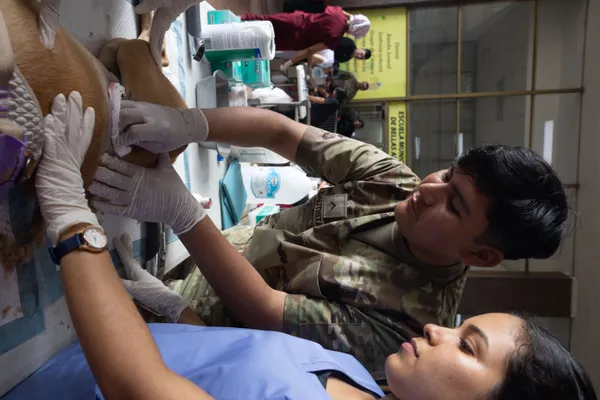
Hundreds of pets reached through no-cost services
A free veterinary-care event organized through Jacksonville’s animal-welfare network provided services to 140 dogs and cats, offering preventive care that can be difficult for some owners to afford or schedule. The turnout reflects sustained demand for low- and no-cost pet health services across the city, particularly for vaccinations, microchipping and basic wellness support that help keep animals healthy and reduce the risk of preventable disease outbreaks.
Large-volume clinic days have become a recurring feature in Jacksonville’s animal-welfare calendar. In one late-February 2026 vaccination clinic hosted at the Jacksonville Humane Society, 498 pets received free vaccines during a single day, supported by multiple partner organizations and volunteers. That same event was structured around core public-health tools commonly used in community clinics: vaccination and microchipping, along with eligibility rules meant to keep lines moving and ensure safe handling of animals.
How free clinics typically work, and what they can and cannot do
Community vaccine clinics generally prioritize high-impact interventions that can be delivered quickly. At the February 2026 clinic, services included core vaccines for dogs and cats, rabies vaccination and microchips, with age minimums and handling requirements such as leashes for dogs and carriers for cats. Organizers also emphasized operational limits, including caps on the number of animals per person and first-come, first-served intake.
These clinics are typically designed for vaccinations and identification services, while broader medical issues are referred to full-service veterinary providers.
For pet owners, that distinction matters. High-volume clinics can close gaps in preventive care, but they do not replace a comprehensive exam, diagnostics or ongoing treatment plans, which are essential for chronic conditions, injuries, or complex medical needs.
Why demand is high: shelter capacity and community animal intake
The push to expand basic pet care is unfolding alongside continuing shelter-capacity strains. In early 2025, Animal Care & Protective Services reported operating over capacity, including instances of shared kennel space for dogs. The agency has also used fee-waiver periods to encourage adoption and fostering, aiming to reduce crowding and free up space for incoming animals.
Animal intake pressures have been documented as rising in recent periods, with reported increases for both cats and dogs during the first part of 2025 compared with the same timeframe the year before. Higher intake can intensify the need for community-based prevention, including accessible vaccines and spay/neuter pathways that can lower disease risk and reduce future shelter admissions over time.
What residents can expect at future events
- Services are usually focused on vaccines and identification, not full diagnostic care.
- Bring dogs on leashes and cats in carriers; minimum age requirements are common.
- Expect capacity controls such as animal-per-person limits and first-come procedures.
- Some city licensing requirements may apply depending on residency and circumstances.
The 140-pet ACPS event adds to a pattern of high participation in free and low-cost pet care locally. For organizers, turnout provides a practical indicator of ongoing need; for residents, it signals that early arrival, preparation and understanding service limits are often key to receiving help.