Duval School Board to examine Florida’s ‘Schools of Hope’ co-location rules after community concerns escalate
What the board is expected to address
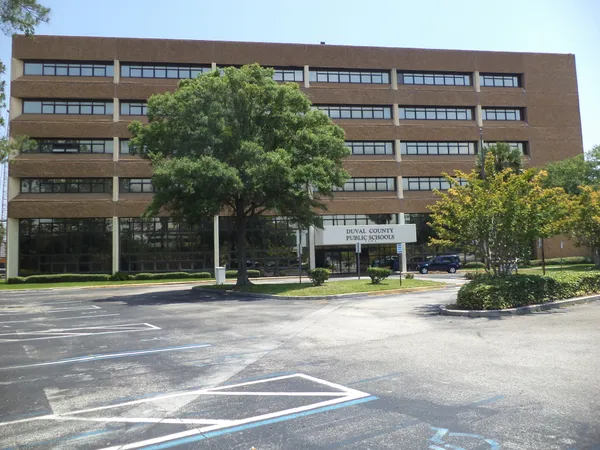
The Duval County School Board is preparing for additional public discussion of Florida’s “Schools of Hope” framework, a set of state rules that can require districts to make available unused or underused space on public school campuses for qualifying charter operators. The issue has drawn sustained attention in Jacksonville as residents, educators and district leaders weigh how the law could reshape campus operations, staffing and long-term planning.
The state program is designed around the creation of “schools of hope,” a category of charter school tied to serving students from persistently low-performing schools and families in designated Florida Opportunity Zones. Under state statute, eligible operators must be nonprofit organizations meeting specific performance and capacity benchmarks and must be approved by the State Board of Education as “hope operators.”
How co-location works under state law
In practical terms, the law establishes a pathway for a hope operator to seek space within existing district buildings, typically when facilities are considered vacant, underutilized or surplus. Districts may be required to provide access at no facility cost and, if requested, to provide a range of operational services while sharing common areas such as libraries, cafeterias, auditoriums and athletic spaces.
For Duval County Public Schools, the debate has also been shaped by enrollment trends. District leaders have publicly described ongoing enrollment declines and the budget pressure that can follow when state funding is tied to student headcount. Those conditions can increase the amount of space that may be classified as underused—an important trigger in co-location discussions.
Local developments: letters of intent and subsequent withdrawals
The Jacksonville debate intensified in late 2025 after a charter organization submitted letters signaling interest in operating within multiple Duval County public school sites beginning in the 2027 school year. The initial set of notices identified 25 campuses. In December, district officials reported the operator later withdrew 23 of those notices, leaving two proposals still under district review.
District communications have stated that remaining notices would be evaluated under state requirements and applicable guidelines, while emphasizing continued outreach and updates as decisions move forward.
Key questions board members are likely to press
Definition and measurement of “underutilized” space, including how capacity is calculated and updated.
Operational impacts of shared campuses, including scheduling, security, student services and use of common areas.
Financial implications for district schools when students enroll in co-located charters and state funding shifts with enrollment.
Accountability and oversight mechanisms for hope operators and the conditions for renewal of operator status.
Statewide context and legislative uncertainty
Florida’s education leadership has recently advanced policies that broaden how “schools of hope” can expand, including rules permitting co-location even on campuses that are academically strong but have unused space. At the same time, the policy remains contested statewide, with proposals filed to roll back parts of the co-location framework.
The Duval School Board’s discussion is expected to focus on how state requirements intersect with local facility planning, student supports and community priorities ahead of decisions tied to the 2027 school year.