Arlington encampments prompt Jacksonville councilmember to press for homelessness outreach and environmental cleanup actions
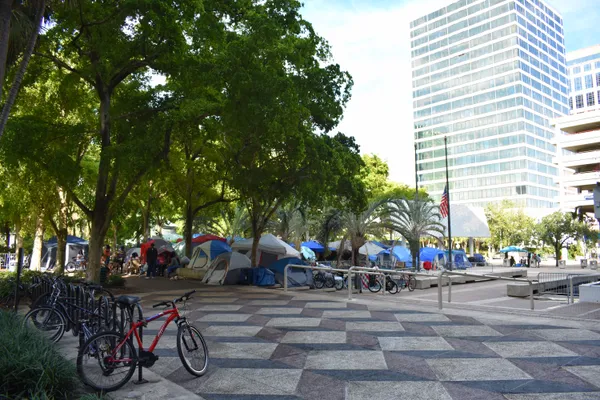
Encampments, trash and waterways in East Jacksonville
Homeless encampments in Jacksonville’s Arlington area have drawn renewed attention from city leaders amid concerns about sanitation, illegal dumping and the potential impact on nearby waterways. The issue sits at the intersection of public safety, environmental protection and the city’s obligation to connect unsheltered residents with services.
In Arlington, multiple wooded or roadside areas have periodically accumulated tents, personal belongings and discarded materials. City cleanup operations in similar settings elsewhere in Jacksonville have documented large volumes of debris ranging from mattresses and household waste to smaller scattered litter, with city staff warning that unmanaged trash can affect air quality and flow into tributaries and the St. Johns River system.
How Jacksonville’s response system is structured
Jacksonville’s primary outreach mechanism is routed through the Jacksonville Fire and Rescue Department’s PATH team, which is designed to make contact with people living outside and offer transportation and connections to shelters and services. Residents can report encampments through the city’s 630-CITY system, which is then directed to outreach for follow-up.
At the same time, enforcement has increased since Florida’s public camping restrictions took effect in October 2024. City reporting on early implementation showed hundreds of warnings and dozens of arrests within the first months of enforcement, underscoring how quickly complaints can shift from outreach to criminal-justice outcomes, depending on location and circumstances.
Shelter capacity and the limits of enforcement
City officials and shelter providers have repeatedly pointed to a core constraint: limited bed capacity, especially during severe weather. In late 2025, as overnight temperatures dipped, street camping continued even with the ban in place, and outreach workers reported that some individuals declined shelter placements. The dynamic complicates efforts to end visible encampments solely through removals, because displacement can move people to other neighborhoods and create new environmental hotspots.
Policy efforts and what they mean for Arlington
Jacksonville has framed its broader strategy around expanding outreach coverage, improving data coordination, and increasing access to shelter, including the use of noncongregate options such as contracted hotel rooms. The city’s multi-year planning has also emphasized a “no wrong door” intake approach intended to make it easier for residents to enter services regardless of where they first seek help.
For Arlington, where residents have raised concerns about trash, dumping and quality-of-life impacts, the near-term outcomes are likely to depend on three operational factors: the speed of outreach response after reports are filed, the availability of shelter or temporary placements when individuals agree to relocate, and the city’s ability to prevent cleaned sites from quickly re-accumulating waste.
- Reporting: 630-CITY requests routed to outreach teams for contact and service offers.
- Response: Cleanup operations can remove debris but do not, by themselves, provide housing.
- Capacity: Shelter availability and willingness to accept placement remain decisive variables.
City cleanup managers have described encampment waste as a risk to air quality and to waterways and tributaries, particularly when debris remains in wooded drainage areas.
City leaders say the challenge is to address sanitation and environmental concerns while maintaining consistent pathways to shelter, treatment and longer-term housing solutions—goals that remain difficult to achieve without sustained capacity and coordinated follow-through.